

Treating Spinal Stenosis
What is Spinal Stenosis?
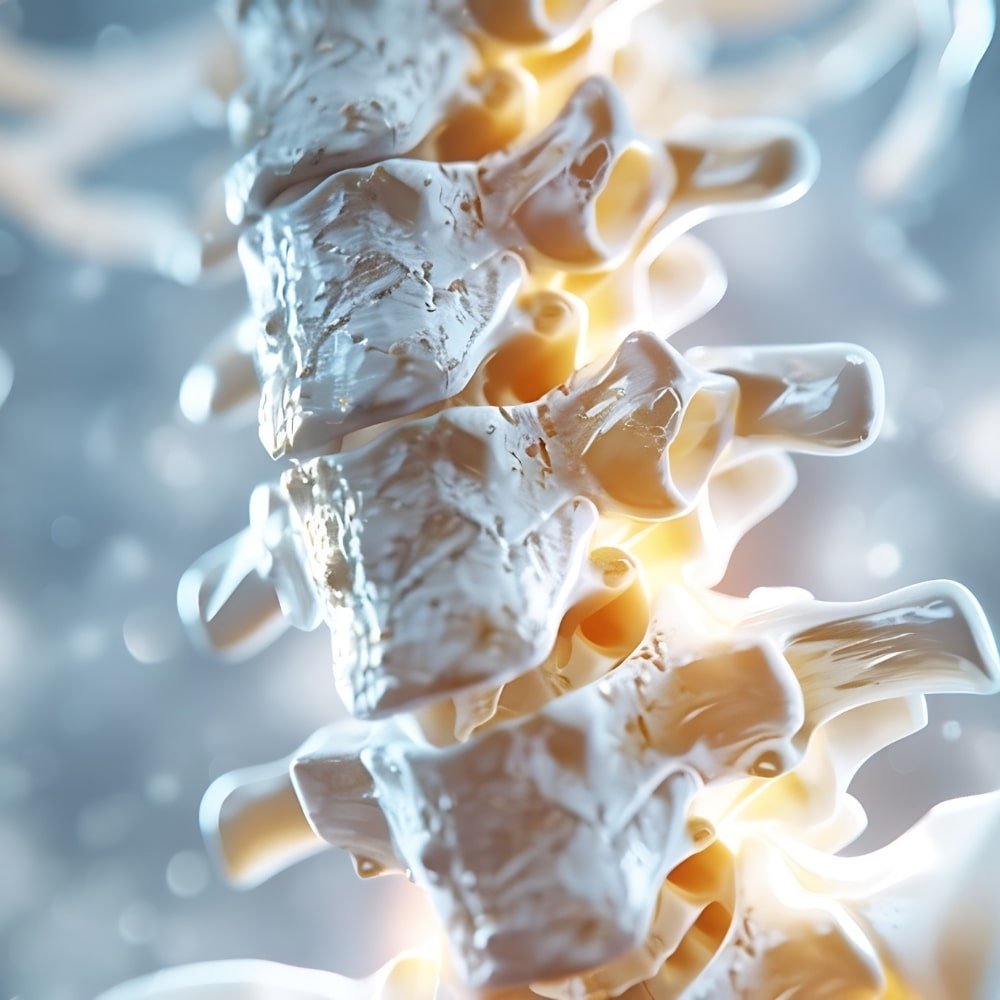
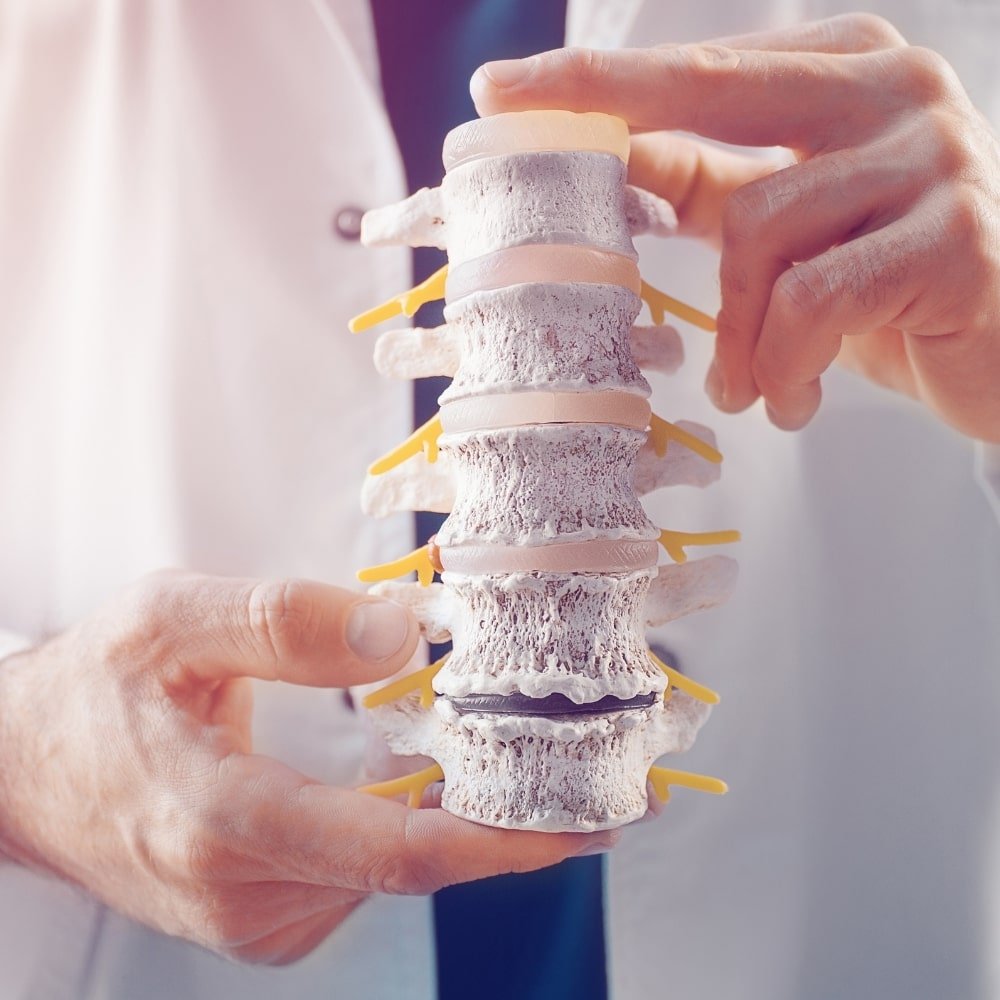
Spinal stenosis is a condition that occurs when nerves become compressed due to narrowing of the spinal canal. This narrowing is usually caused by aging, bone spurs, herniated discs, or spinal deformities. Spinal stenosis is particularly common in the lower back and neck regions and significantly reduces patients' quality of life by shortening their walking distance.
Causes of Spinal Stenosis
Aging: Degenerative changes in the spine (osteoarthritis, bone spurs).
Congenital Factors: Congenital narrow spinal canal.
Spinal Deformities: Spinal curvatures such as scoliosis or kyphosis.
Trauma: Spinal injuries or fractures.
Herniated Discs: The displacement of the discs toward the spinal canal.
Symptoms of Narrow Canal
Back or neck pain
Numbness or tingling in the legs or arms
Pain or cramping in the legs while walking (neurogenic claudication)
Shortening of walking distance
Difficulty controlling urine or stool in advanced cases
Narrow Canal Treatment Methods
Prof. Dr. Mustafa Çeliktaş offers surgical and non-surgical methods for root canal treatment depending on the patient's condition. Treatment options include:
Physical Therapy and Exercise
In mild cases, exercises to strengthen the spinal muscles and physical therapy are applied. This method helps reduce pain and increase mobility.Drug Therapy
Painkillers, muscle relaxants, or steroid injections may be used to reduce pain and inflammation.Minimally Invasive Procedures
Pressure on the nerve roots can be relieved using methods such as epidural steroid injections or radiofrequency ablation.Surgical treatment:
In cases of advanced spinal stenosis or when neurological symptoms (numbness, weakness) are present, surgical intervention may be necessary. Prof. Dr. Mustafa Çeliktaş uses modern surgical techniques (such as decompression surgery, laminectomy, fusion surgery) to widen the spinal canal and relieve pressure on the nerves.
About Narrow Canal Surgery
Spinal canal surgery is a procedure performed to widen the spinal canal and relieve pressure on the nerves. Prof. Dr. Mustafa Çeliktaş, a specialist certified by the European Board (FEBOT), applies the most up-to-date techniques in spinal canal surgery. Post-operative patients are guided through a healthy recovery process with regular follow-ups.
Why Prof. Dr. Mustafa Çeliktaş?
International Experience: Service at European standards with FEBOT certification.
Personalized Treatment: Treatment approaches tailored specifically for each patient.
Modern Techniques: The latest surgical and non-surgical methods in root canal treatment.
Patient Satisfaction: High success rate and patient-centered service approach.
Frequently Asked Questions (FAQ)
What happens if a narrow canal is not treated?
A narrowing spinal canal can lead to permanent nerve damage, severe pain, and limited mobility. Early diagnosis and treatment are crucial.
Is narrow canal surgery risky?
Thanks to Prof. Dr. Mustafa Çeliktaş's experience and modern surgical techniques, narrow canal surgeries are performed safely. Risks are minimized through detailed evaluation before surgery.
How long does root canal treatment take?
The treatment process varies depending on the severity of the disease and the method used. Physical therapy or medication may take several weeks, while recovery after surgery is completed within a few months.