


Kyphosis (Hunchback) Treatment
What is Kyphosis (Hunchback)?
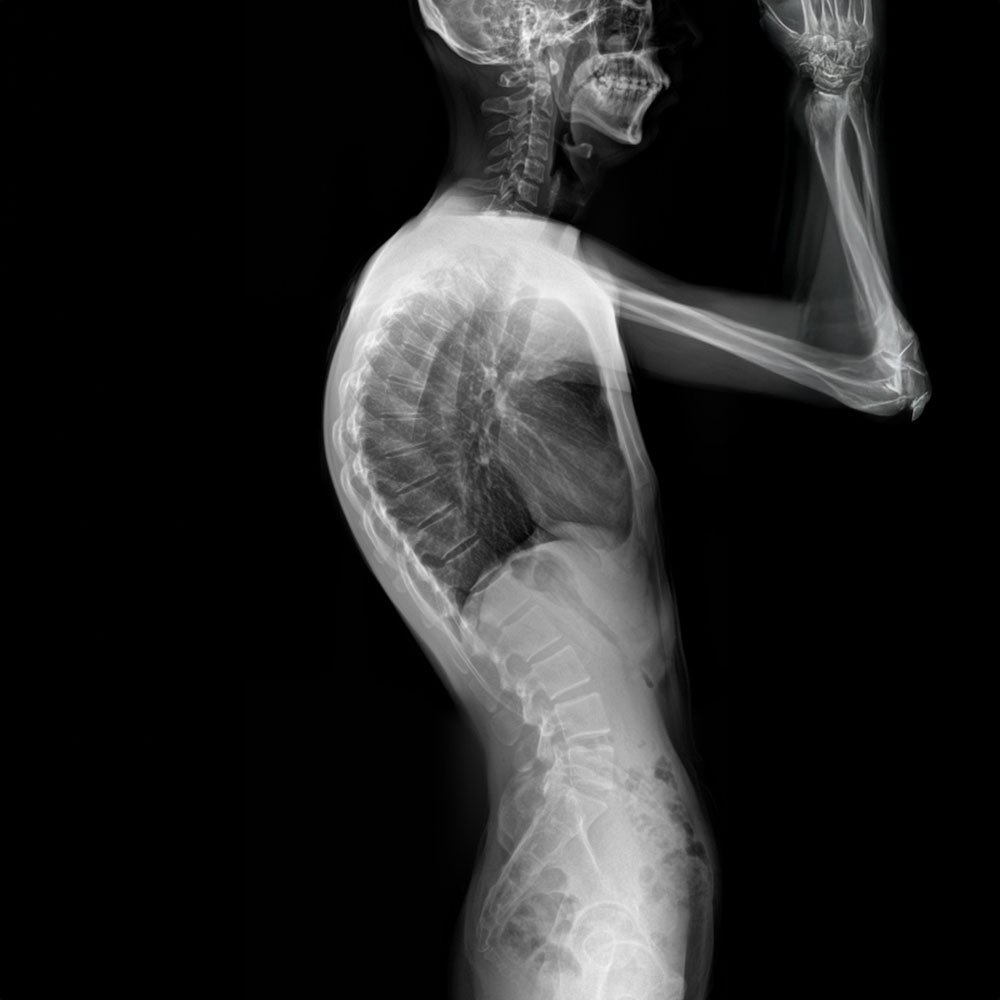
Kyphosis is a posture disorder caused by excessive forward curvature of the spine. Commonly known as “hunchback,” this condition manifests as a noticeable rounding of the back. Kyphosis can lead to both aesthetic concerns and serious health problems.
Causes of Kyphosis
Postural Kyphosis: It develops due to poor posture habits. It is commonly seen during adolescence and can be corrected with exercise.
Scheuermann's Kyphosis: It occurs due to structural abnormalities in the spinal bones. It is commonly seen in young people and requires treatment.
Congenital Kyphosis: It occurs due to congenital spinal anomalies.
Age-Related Kyphosis: It occurs in the elderly as a result of osteoporosis (bone loss) or spinal fractures.
Traumatic Kyphosis: It may develop after spinal injuries or fractures.
Symptoms of Kyphosis
Noticeable rounding in the back area
Back pain or muscle fatigue
Postural disorder
Shortness of breath (in advanced cases)
Fatigue and limited mobility
Kyphosis Treatment Methods
Prof. Dr. Mustafa Çeliktaş offers personalized treatment plans based on the degree and cause of kyphosis. Treatment methods include:
Physical Therapy and Exercise
For mild and moderate kyphosis, exercises aimed at correcting posture and physical therapy are applied. This method is particularly effective for postural kyphosis.Corset Therapy
In growing patients or in Scheuermann's kyphosis, brace treatment is used to prevent progression of the curvature.Drug Therapy
Medications may be prescribed to relieve pain and reduce inflammation. Bone-strengthening medications are used, especially in osteoporosis-related kyphosis.Surgical treatment:
In cases of severe kyphosis (70 degrees and above) or conditions causing neurological problems, surgical intervention may be necessary. Prof. Dr. Mustafa Çeliktaş corrects spinal curvature using modern surgical techniques (such as spinal fusion and screw systems) and improves the patient's quality of life.
About Kyphosis Surgery
Kyphosis surgery is a complex procedure performed to correct and stabilize the spine. Prof. Dr. Mustafa Çeliktaş, a specialist certified by the European Board (FEBOT), applies the most up-to-date techniques in kyphosis surgery. Post-operative patients are guided through a healthy recovery process with regular follow-ups.
Why Prof. Dr. Mustafa Çeliktaş?
International Experience: Service at European standards with FEBOT certification.
Personalized Treatment: Treatment approaches tailored specifically for each patient.
Modern Techniques: The latest surgical and non-surgical methods in kyphosis treatment.
Patient Satisfaction: High success rate and patient-centered service approach.
Frequently Asked Questions (FAQ)
What happens if kyphosis is not treated?
Progressive kyphosis can lead to serious posture problems, chronic pain, breathing difficulties, and a reduced quality of life. Early diagnosis and treatment are crucial.
Is kyphosis surgery risky?
Like any surgery, scoliosis surgery carries risks. These risks vary depending on the type of kyphosis, the patient's age, and the degree of curvature. Careful preoperative evaluation, the surgeon's experience, and technological devices such as neuromonitoring have significantly reduced these risks today.
How long does kyphosis treatment take?
The treatment process varies depending on the degree of curvature and the method used. While the brace or physical therapy process can take several years, recovery after surgical treatment is completed within a few months.