


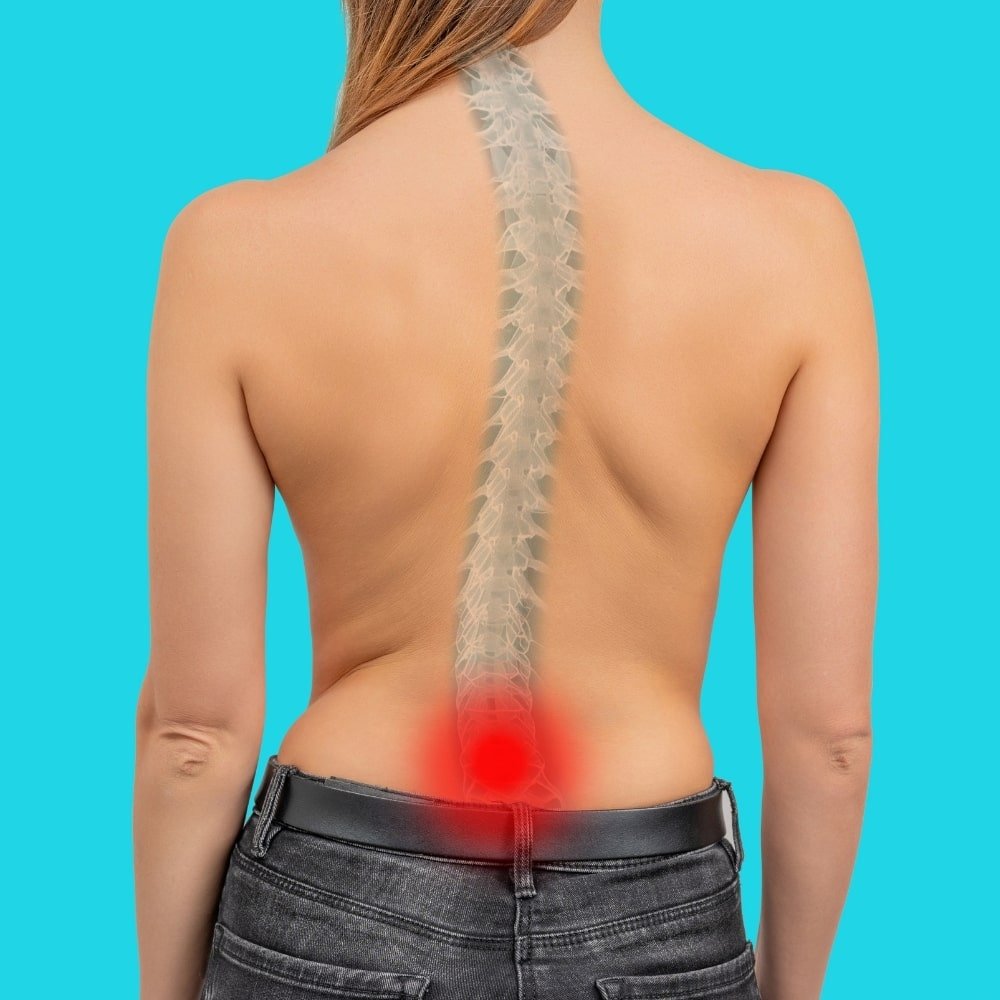


Scoliosis Treatment
Scoliosis is a condition defined by the lateral curvature of the spine along with rotation (turning around its own axis). Normally, the spine should appear as a straight line when viewed from behind. However, in scoliosis, the spine appears in a “C” or “S” shape.
What Are the Types of Scoliosis?
Idiopathic Scoliosis: It is the most common type and its cause is unknown. It usually appears during adolescence. It is more common in girls.
Congenital Scoliosis: It occurs in cases of congenital spinal anomalies.
Neuromuscular Scoliosis: It develops as a result of nerve and muscle disorders (such as cerebral palsy and muscular dystrophy).
Degenerative Scoliosis: It occurs as a result of the wear and tear of the spinal bones, discs, and ligaments associated with aging.
What Are the Symptoms of Scoliosis?
- Asymmetrical appearance of the shoulders or hips
- One shoulder blade being more prominent than the other
- Curvature of the spine or back
- Clothes not fitting the body properly
- Back pain (especially in adults)
- In rare cases, advanced scoliosis can lead to breathing problems.
Diagnosis of Scoliosis:
- Physical examination
- X-rays (to measure the degree of spinal curvature)
- Magnetic resonance imaging (MRI) (when neurological problems are suspected)
Treatment of Scoliosis:
Treatment varies depending on the degree of curvature, the patient's age, and the type of scoliosis. Treatment options include:
- Observation: Slight curvatures are monitored regularly.
- Corseting: A corset can be used to stop or slow the progression of curvature.
- Physical therapy: Especially at a young age, the muscles that support the spine can be strengthened through exercise.
- Surgical treatment: In cases of advanced curvature or when other treatments have failed, surgical intervention may be necessary.
- Early diagnosis is important in the treatment of scoliosis.
- Scoliosis can progress if left untreated and lead to serious health problems.
Scoliosis treatment should be performed by a specialist orthopedic doctor.
Frequently Asked Questions (FAQ)
Is Scoliosis Surgery Risky?
Like any surgery, scoliosis surgery carries risks. These risks vary depending on the type of scoliosis, the patient's age, and the degree of curvature. Today, these risks have been significantly reduced through careful preoperative evaluation, the surgeon's experience, and technological devices such as neuromonitoring.
How Long Does Scoliosis Treatment Take?
The treatment process varies depending on the degree of curvature and the method used. While the brace or physical therapy process can take several years, recovery after surgical treatment is completed within a few months.